Longevity & Mitochondrial Research Compounds
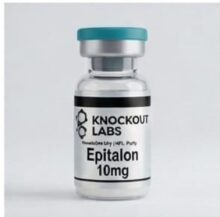
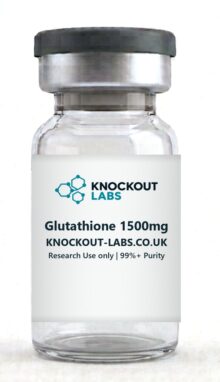
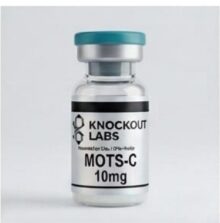
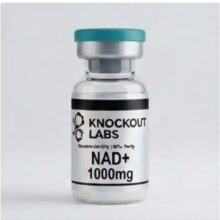
Browse MOTS-c 10 mg, NAD+ 1000 mg, Glutathione 1500 mg and Epithalon 10 mg. “Longevity” names a research area in this category; it does not describe an outcome offered to a buyer. The listed materials have different chemical identities and need their own specifications, analytical methods and evidence. Research use only; not for human or veterinary use.
Start with the molecular distinction
| Reference profile | Question it resolves |
|---|---|
| Epithalon | AEDG naming, tetrapeptide identity and distinction from pineal extracts |
| NAD+ | Dinucleotide identity, supplied form and grade |
| MOTS-c | Reference peptide sequence and supplier solution-behaviour questions |
| Glutathione | Reduced-versus-oxidised form and quantity basis |
The NAD+, MOTS-c and glutathione comparison explains why related metabolic contexts do not make the materials interchangeable. Epithalon's research-lineage guide separates cell measurements from whole-organism claims.
Read the individual product record
Open MOTS-c 10 mg, NAD+ 1000 mg, Glutathione 1500 mg or Epithalon 10 mg for the listed presentation, current price and availability. The listed amounts are nominal declarations. Confirm the exact form and amount basis before using reference chemistry in a calculation. Do not assign one storage instruction to the whole category.
Use batch documentation for lot records and storage and stability for the evidence required for a condition or duration. Purchasing remains subject to research-use eligibility, and no human or veterinary use is offered.
Supporting checks
| Resource | Why open it |
|---|---|
| Research Peptides and Laboratory Materials | Return to the product and presentation directory. |
| Quality and Batch Documentation | Separate the quality claim from the evidence that would support it. |
| Mitochondrial-Derived Peptides | Follow the mitochondrial-derived peptide research lineage. |
| NAD+ Metabolism and Its Precursors | Distinguish NAD pool size, redox state and metabolic flux. |