Co-Formulated Research Blends
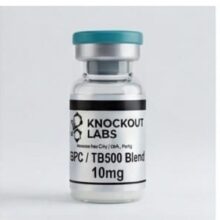
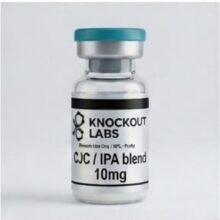
Compare the BPC-157 5 mg + TB-500 5 mg and CJC-1295 5 mg + Ipamorelin 5 mg research blends. Open either product listing for its current price and availability. A co-formulated blend brings two named components into one presentation. Check each identity and nominal amount, then ask how the specification and analytical evidence address the combined material. Research use only; not for human or veterinary use.
The two listed blends
| Product | Main identity question | Comparison guide |
|---|---|---|
| BPC-157 5 mg + TB-500 5 mg | What exact entity is supplied as TB-500? | BPC-157 and TB-500 |
| CJC-1295 5 mg + Ipamorelin 5 mg | Which CJC variant is present? | CJC-1295 and ipamorelin |
The displayed amounts are nominal listing declarations. Confirm their mass bases and whether the components are co-lyophilised or otherwise combined. No production configuration is inferred from the word “blend”.
What a useful report must distinguish
Ask which results address each component's identity, which assess the detected chromatographic profile and which quantify the stated amounts. A single total purity percentage may leave the component ratio and content unanswered.
The single-compound and blend comparison explains those evidence needs and the difference between mass ratio and molar ratio. Combining two names does not establish synergy or a supported personal-use protocol.
Use specification standards to frame the request and batch documentation for the actual lot records. Current prices and availability remain on the product pages; supply is subject to research-buyer eligibility.
Supporting checks
| Resource | Why open it |
|---|---|
| BPC-157 | Resolve the BPC-157 reference sequence and supplied-form questions. |
| CJC-1295 | Resolve the CJC variant before applying reference chemistry. |
| Ipamorelin | Read the separate ipamorelin identity and evidence record. |
| Research Peptides and Laboratory Materials | Return to the product and presentation directory. |